Does snow mold cause your allergies?
 Share
Share
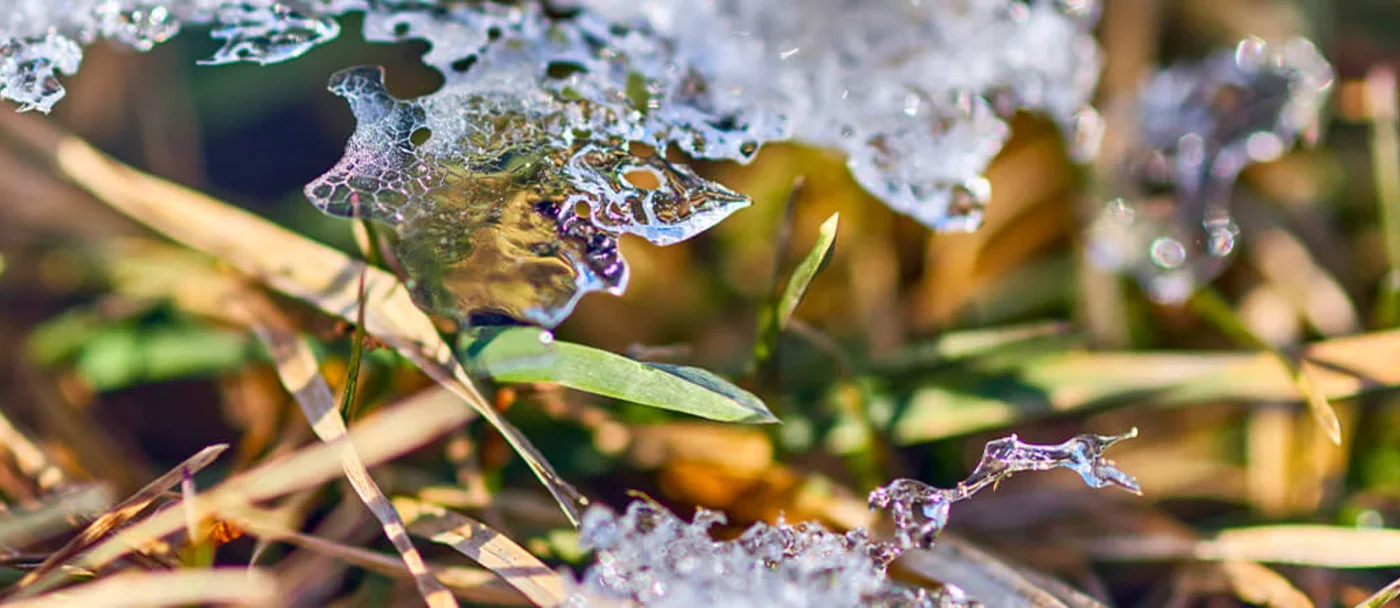
Winter is ending, although a little snow is still lingering in some places. Spring is on its way, but the trees haven't yet released their pollen into the air. And suddenly you start sneezing and your sinuses are blocked.
It's quite possible that it's neither a late-season cold nor the first signs of seasonal allergies. To find the cause of your symptoms, you might need to look elsewhere. A fungus whose existence is often overlooked, but which thrives under the snow, could very well be the culprit.
At the end of winter, snow mold is one of the most common allergens. Here’s what it is and how to avoid suffering from its symptoms.
What is snow mold?
As you might have guessed, snow can't get moldy. What is commonly called snow mold is actually a fungal disease that attacks lawns. It is a type of Fusarium wilt, like the fungal disease that affects garden tomatoes in very humid weather.
Snow mold develops under the snow in humid conditions, when the temperature ranges between 1 and 5 °C. It can therefore be observed in the spring, during the thaw, on organic matter such as grass or fallen leaves that were not raked up in the fall. This damp environment promotes fungal growth.
The fungi involved are Microdochium nivale (pink mold) and Typhula spp. (grey mold). While it is not necessary to identify which one is responsible for treatment, the former can be identified by its pinkish patches, while the latter's patches are greyish.
In both cases, the symptoms will be similar, both for you and for your lawn, and the same methods will be used to prevent or treat the problem.
How can I identify snow mold?
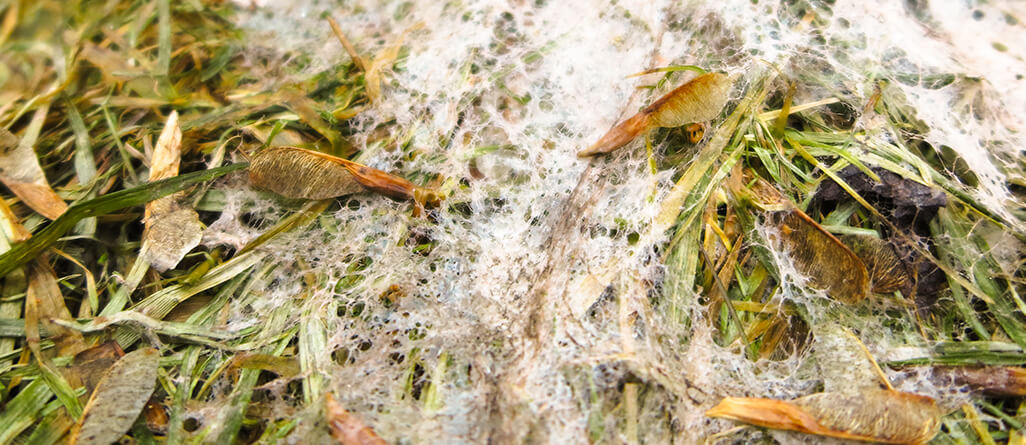
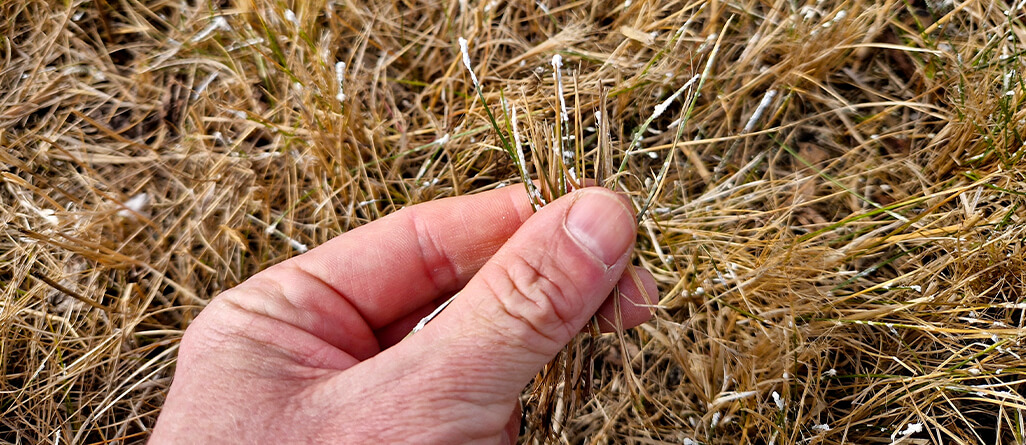
One of the first signs of the disease is the presence of cobweb-like residue between the grass blades. This is actually filamentous fungi called “mycelia”.
The disease eventually manifests as circular patches that are beige, whitish, pink, bronze or grey, giving the impression that the grass is dead in some areas. These patches vary in diameter, from 5 to 30 centimetres, and can merge to create larger patches.
The fungi produce spores that can trigger allergies in humans. The symptoms are like those caused by hay fever and other seasonal allergies: sneezing, runny nose, watery eyes and nasal congestion.
What kills snow mold?
Have you noticed signs of the disease once the snow has melted? It's important to know that, even though snow mold is a fungal disease, no fungicide treatment will eradicate it. The best thing to do is get out the rake.
Gently raking the affected areas helps to untangle the matted grass blades, aerating the soil and promoting faster drying, and potentially eliminating the fungus. This will also allow healthy grass to grow.
If necessary, you can reseed certain sections once the soil and temperature have warmed up enough for the seed to germinate.
"Even though it's not very aesthetically pleasing, snow mold rarely kills the lawn, and it can grow green again later," explains David Wees, a plant science expert and assistant director at McGill University.
Your lawn is therefore not threatened. In fact, if you do nothing, the disease will likely disappear on its own when the temperature reaches 20 °C. Until then, however, the lawn may have more areas to repair, and you will have to deal with allergic reactions.
Pro tip: Don't wait too long to repair bare patches with quality grass seed to prevent weeds from taking over your lawn. For successful germination, ideally do this when the risk of frost has passed and the soil temperature is between 15 and 26 °C, so generally from late April to late May.
Is snow mold harmful to humans?
In some people, exposure to snow mold can cause allergic reactions. The severity of the symptoms varies from person to person, ranging from simple sneezing to difficulty breathing.
Fortunately, as is often the case with seasonal allergies, it is possible to reduce the symptoms.
What are the symptoms of snow mold?
If you are allergic to snow mold, here are some symptoms that may appear before the start of pollen allergy season:
- Sneezing
- Congestion
- Runny nose
- Itchy eyes
- Watery eyes
- Itchy mouth and lips

How do you treat snow mold allergies?
Below, we explain how to prevent snow mold infestations and how to eliminate the fungus from your property without relying solely on the weather. However, since mold infestations can't always be avoided, here are some options to relieve symptoms.
Lifestyle changes
During peak allergen season, limit your time outdoors and shower as soon as you get home. Change your clothes and leave your shoes outside. Dry your clothes indoors rather than on a clothesline to avoid exposing them to outdoor allergens. Like pollen, the spores are carried by the wind and can easily cling to surfaces.
Use antihistamines
Antihistamines work by blocking the activity of histamine, the chemical responsible for triggering allergy symptoms. Over-the-counter medications are available at the pharmacy.
Read our article on seasonal allergies to discover more tips for relieving allergy symptoms, as well as ways to prevent them (when possible!).
How to prevent snow mold?
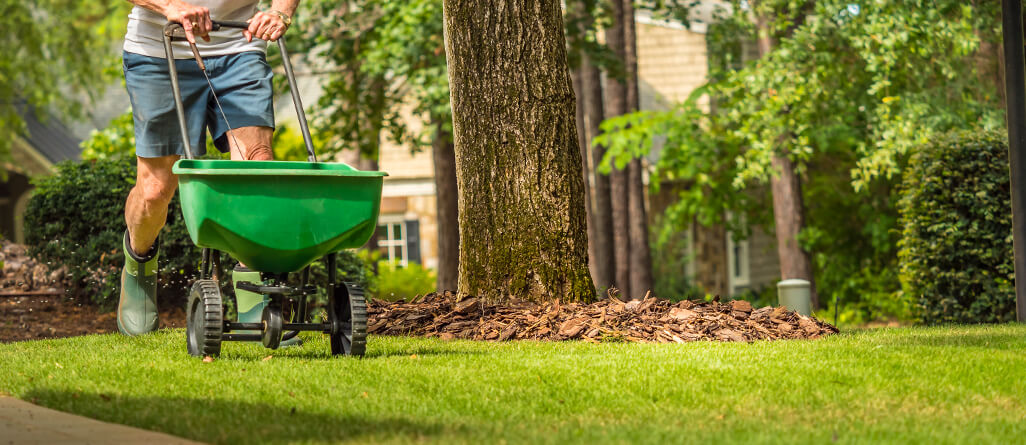
Snow mold thrives when there is prolonged snow cover (90 days or more), a wet spring, debris on the lawn, excess thatch, compacted or poorly drained soil, and excessive nitrogen application in the fall. Fall lawn care significantly reduces the risk of disease in the spring.
Here are 7 ways to prevent snow mold, help your lawn survive the winter, and keep your soil and lawn healthy.
- Perform a final mowing just before frost or snow (early November), to a height of 7 to 8 cm (2.5 to 3.25 inches), leaving no grass clippings on the ground. (Do not cut too short, as the crown of the grass may be affected by the cold.)
- Rake up fallen leaves before the snow. Use the mower to mulch the very last fallen leaves.
- Aerate the lawn to loosen the soil and improve drainage.
- Dethatch when the thatch layer is more than 1.25 cm thick to prevent water from pooling on the surface, which increases and prolongs moisture.
- Improve soil drainage.
- Avoid compacting snow by creating mounds during winter snow removal.
- Apply a fall fertilizer high in potassium but low in nitrogen, no later than November.
Our fertilizer suggestion: IRON+ Winter Guard Fertilizer 22-0-12.
While we can influence soil quality and the choice of fertilizer applied in the fall, we have no control over the amount of snow that falls during the winter or how long it takes to melt. However, you can learn when it's beneficial to clear the snow off your lawn.
In some cases, this common practice will harm the grass, while in others, it will be beneficial. It's simply a matter of knowing when to do it and when to let nature take its course.
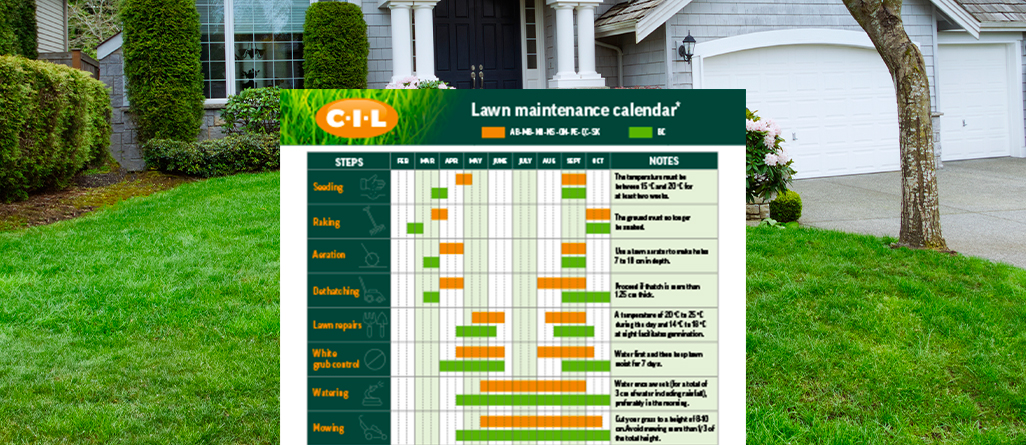
You can assess the condition of your lawn and start caring for it once the snow has completely melted and as soon as the soil is dry. To find out what to do and when, download our lawn care calendar. It's a handy tool that will guide you throughout the season.
When is snow mold most active?
The fungus responsible for snow mold appears as the snow melts. As soon as the temperature drops between 1 and 5 °C, the pink or grey mold begins to form. As David Wees points out, "Snow mold thrives in cool, damp weather. During the summer, the pathogen is present but goes dormant until the fall."
At other times of the year, however, red thread disease may appear. Although it also occurs in damp weather, it is caused by a different fungus, Laetisaria fuciformis.
Red thread disease can occur in spring or fall, or at any time in cool, damp weather (between 15 and 24 °C). Another difference from snow mold is that red thread disease is often an indicator of nitrogen deficiency, not the other way around.