Get ready for a weed-free (or so) spring
 Share
Share

Fall is the best time for lawn care. Why? Because the fall season offers ideal growth conditions for most lawns.
Cooler air combined with the still warm soil and adequate rainfall creates ideal conditions for seeding and lawn repair, weed control and optimal absorption of fall fertilizer.
As fall arrives, your grass is actively absorbing sunlight, moisture, carbs, nitrogen and potassium, getting ready for winter's harsh conditions. As the season progresses, the top growth slows down, and it’s possible that you think that it’s over for the season. But that’s not true. In fact, the roots continue to grow long after the blades have stopped, and they are still active until the ground finally freezes up.
Show your lawn some care now, and you'll be rewarded with a vibrant, healthy lawn come springtime.
What time of year is best to repair a lawn?
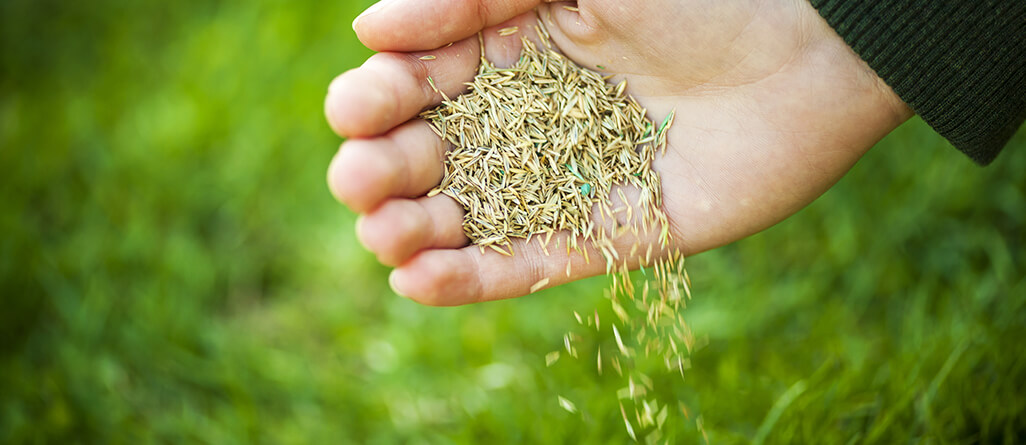
Bare areas with little or no grass are welcome areas for new weed seeds to germinate! Get these spots filled with grass seed, not weed seeds. Late August to mid-September is the natural cycle time for grass seed.
If you plan to repair bare areas, add a lawn soil such as C-I-L Enriched Lawn Soil onto the repair area first, sprinkle on top with C-I-L Grass Seed and scuffle the seed in to make good seed-to-soil contact. Keep watered until established.
What is the best fertilizer for fall grass in Canada?
Late August to mid-September is the best time to perk up a summer-stressed lawn with a good fertilizer. The nutrients you apply during the fall are absorbed directly to the roots. This process strengthens the lawn’s root system throughout the fall and will provide your lawn with reserves to draw from the following spring.
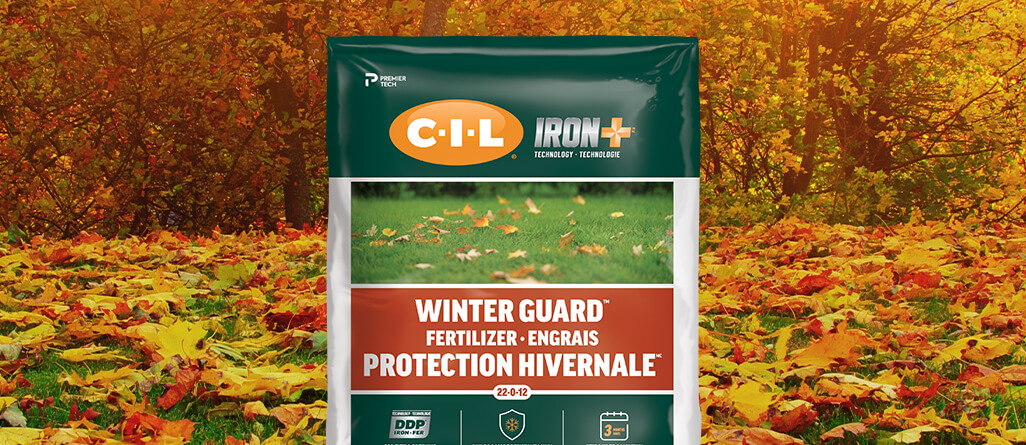
Consider that this fall application of fertilizer is quite important for the overall health of your lawn. Best to use C-I-L IRON+ Winter Guard Fertilizer 22-0-12, IRON+ Fall Lawn Food 12-0-18 or SO-GREEN Lawn Winterizer 12-0-18.
What is the best way to kill existing weeds?
Fall is an ideal season for managing perennial weeds as this is the time of year that plants start to store energy for winter.
During this time, all plants transfer nutrients from their leaves to their roots. Weeds are transferring nutrients down to the roots in the same way, so any herbicide applied at this time ends up being absorbed from the leaves down to the roots more efficiently than any other time of year.
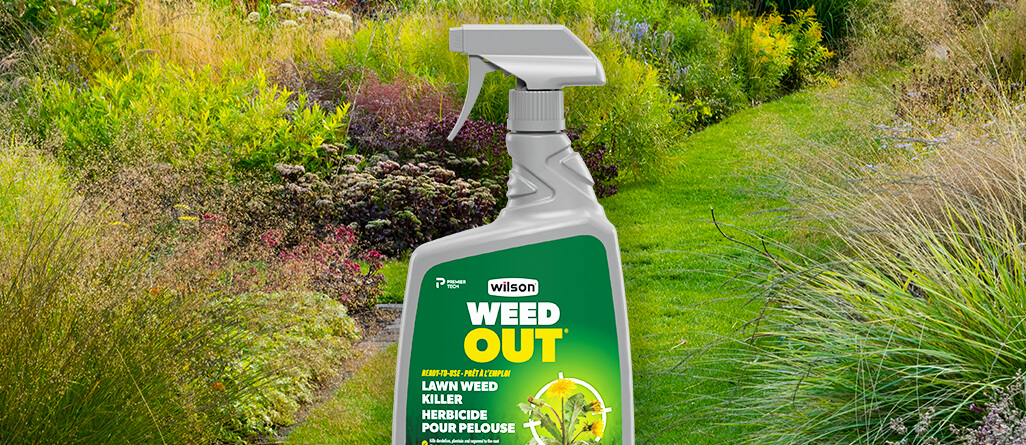
Spot spray broadleaf weeds with a selective weed killer such as Wilson WEED OUT. Selective weed killers control weeds while not harming existing grass. Wilson WEED OUT is approved for sale in all provinces, including those with cosmetic pesticide bans because it is made from plant extracts. It kills to the roots. Follow directions on the label.
For weedy lawns, look for the 4-litre, battery-powered WEED OUT sprayer.
What will prevent weed seeds from germinating?
Controlling weeds with a selective herbicide gets rid of existing weeds but does not do anything on hidden weed seeds laying on the ground, ready to sprout next season. Consider going after weed seeds before they “hatch” with a pre-emergence herbicide such as BIO-WEED & FEED.
A natural ingredient called corn gluten has a natural plant protein that stops root growth when seeds germinate, causing any new seedlings to die. With corn gluten, the seedlings cannot form a root.
Although it does not kill existing weeds, it will suppress new seeds from forming. It also keeps crabgrass seeds from getting established. Make sure you apply it anywhere crabgrass plants are growing (usually along sidewalks) to hinder germination next spring.
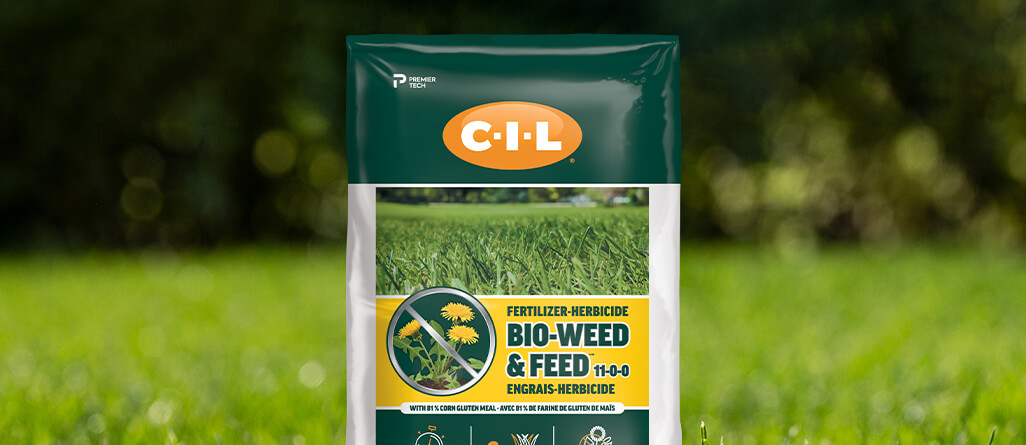
Find all the information in our article.
Corn gluten is also a wonderful organic fertilizer. University studies have shown that over time, the fertilizer component helps the lawn grow thicker each year by crowding out existing weeds, all the while preventing weed seeds from germinating. As a result, you achieve a greener, denser lawn with fewer weeds.
Note of caution: If you are repairing and seeding your lawn, know that corn gluten will also affect grass seed germination. We suggest that you do any grass seeding early in the fall and apply corn gluten after 4 weeks when the new grass seed has germinated.
What are the benefits of raking leaves?

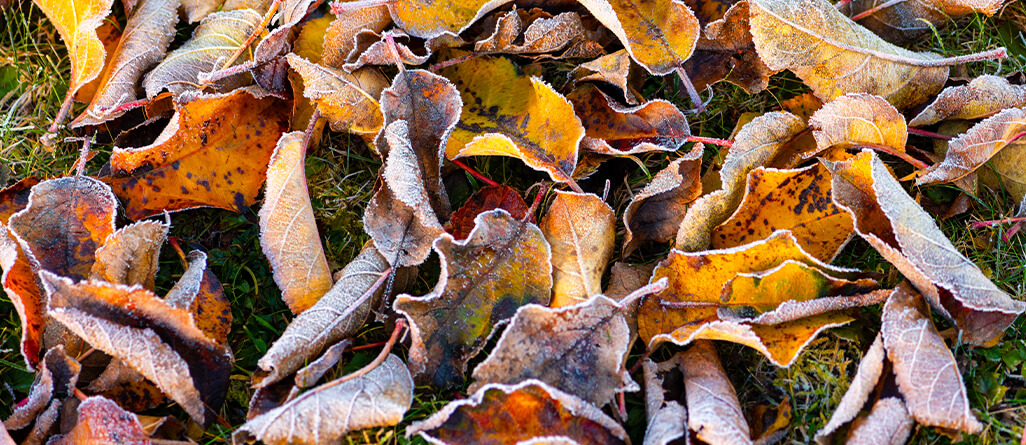
Be sure to clear away fallen leaves, as they can block sunlight and trap moisture, and they can smother the grass below.
Regular leaf removal ensures your yard receives the sunlight and air essential for its health during the fall. Even if the grass has quit growing, you should continue to run the mower over the lawn regularly to grind up leaves. Leaves chewed up by rotatory mowers become an organic fertilizer and it saves you from raking if the leaves aren’t too thick.
It is quite possible to enjoy a weed-free lawn next spring, if you make an effort on these suggestions this fall.