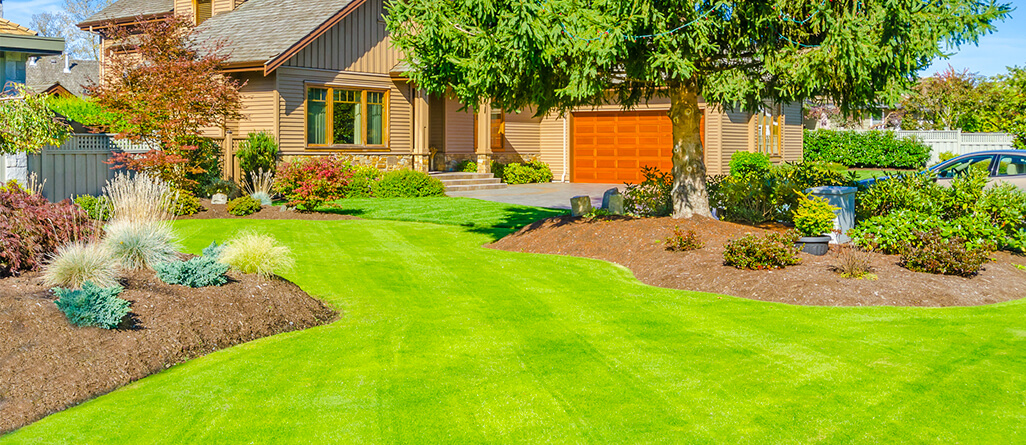
How to keep your grass green in the hot summer?
 Share
Share

The lawn looks nice and green during the cool and damp spring weather, but as the summer heats up, your grass will be subjected to something quite different: sizzling temperatures, less rainfall and intense sunlight. Although great for those beach days and backyard BBQs, a summer heat wave can be really hard on your grass.
The hot weather can result in your lawn turning brown, patchy and brittle. If you see this happening, don’t panic. What you’re witnessing is heat-induced dormancy, which is normal and temporary until moisture returns either by irrigation or by rainfall. Most lawns recover, assuming that the length of the heat wave isn’t too long.
What can I do to help my lawn in summer?
There are a few things you can do to help your lawn maintain its greenness, and even flourish during a heat wave. But before this hot period starts, it helps if your lawn is already in great shape.
In the spring and early summer, just do the basics of lawn care: fertilize, mow regularly and leave clippings, get rid of weeds, topdress and seed thin areas, control turf-damaging insects like grubs and chinch bugs, and if you can, aerate the lawn to create openings in the soil that allow water to infiltrate better. A healthy lawn has a better chance of surviving in a heat wave compared to a thin, weak lawn.
Once the heat hits, here’s what you do:
- Watering at the right time
- Mowing higher
- Manage foot traffic
Does grass need to be watered every day in summer?
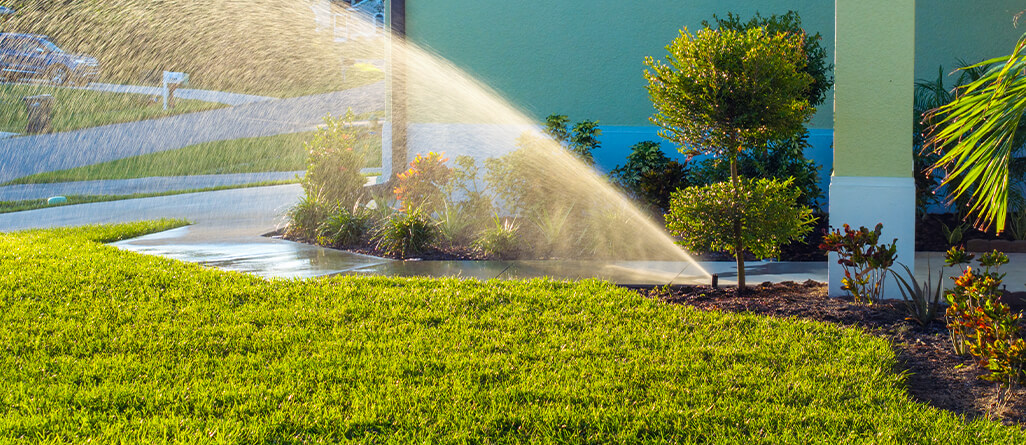
Lawns need at least 2.5 cm (1 in.) of water per week. Assuming that there are no watering restrictions, you need to water deeply and infrequently. Supply that amount all at once, not in tiny amounts, scattered over a week.
Use a rain gauge or even an open can or jar to give you an indication of how much water your lawn is receiving.
Watering should be done only in the early morning when the water is better absorbed, and the leaves have lots of time to dry off. Mid-day sprinkling is wasted on evaporation; late evening watering encourages disease possibilities.
What is the best height to mow in summer?
Raise your mower to 9-10 cm (3.5-4 in.) in early summer. Short grass exposes the harsh sun to its crowns and roots. Higher top growth means deeper roots, which can access moisture and nutrients from much further down in the soil, making your lawn significantly more resilient to dry spells.
Taller grass provides shade to the crowns and roots of the plant and reduces evaporation. It also helps in creating a barrier that prevents weed seeds from finding an open spot to germinate. Make sure your mower blades are sharp. Sharp mower blades make a clean cut, while dull blades shred the grass and leave a hue of brown tips.
Why avoid walking on grass during a heat wave?
During a heat wave, excessive foot traffic can damage the grass. When temperatures rise, dry grass blades can become brittle. Walking on grass that’s heat-stressed can cause the blades to crush instead of bending temporarily. This could cause the grass to tear, leaving behind footprint impressions, brown patches and sparse areas.
Try to limit your lawn activities to the early morning or early evening when the ground is a bit cooler.
You could rotate the areas used for foot traffic. Also try to limit kids, pets and equipment on the lawn during a heat wave.
Other tips to help your grass during a heat wave
- Never fertilize your lawn during a heat wave. It’s best to fertilize before the hot periods of summer and get the grass in ideal shape. (Use C-I-L RESTORE Feed & Seed Lawn Fertilizer & Grass Seed 22-0-10 to thicken the lawn).
- Avoid any weed control efforts in the heat of summer. This spot treatment is recommended in the spring or fall.
Is my lawn in trouble?
- The lawn colour turning to a bluish grey?
- Footprints or mower tracks that linger?
- Grass blades that are curling?
If you see these signs, you should act quickly to water the lawn.