
Preparing your lawn for winter: the gist of high level potassium fertilizer
 Share
Share

Fall is probably the best time to fertilize the lawn.
Fall fertilizing greatly helps to restore and revitalize the lawn following the strains of summer heat and drought, and it also improves its overall health. Fall is the best time to fertilize because the season's cooler temperatures and sufficient moisture promote root growth.
This development aids in creating a strong root structure that sustains the grass over the winter and encourages rapid development in the spring. Additionally, fall fertilization improves the grass plants’ ability to store carbohydrates, which is essential for withstanding winter stress and supplying the energy required for a robust spring green-up.
What’s a good fall fertilizer for my lawn?

Essentially, look at the 3 numbers on the bag:
- the first number represents nitrogen (for top growth)
- the second one is for phosphorus (root growth)
- the third one is potassium (general health)
What fertilizers are high in potassium?
You should be looking at any fertilizer that has a higher potassium number. Many spring and summer fertilizers, such as 30-0-3, are too low in potassium. Look for fertilizers that have raised potassium levels, such as 22-0-12 or even 12-0-18.
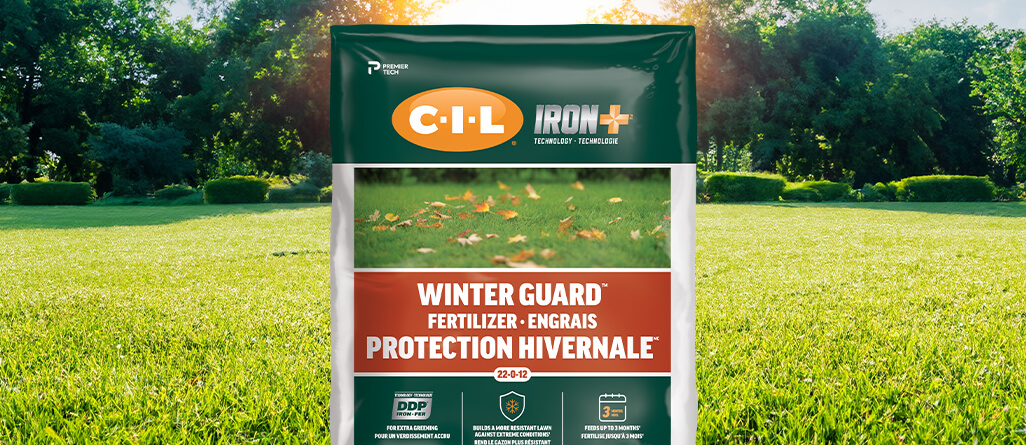
GOOD TO KNOW: Phosphorus is often excluded from Canadian lawn fertilizers due to its potential negative environmental impact, particularly in water that eventually finds its way into lakes through storm drains. As well, established lawns typically have sufficient phosphorus levels. Excess phosphorus can contribute to algal blooms and reduced oxygen levels in water, which is harmful to aquatic life. That is why you usually see lawn fertilizers with a “0” for the middle number.
What does high potassium fertilizer do?
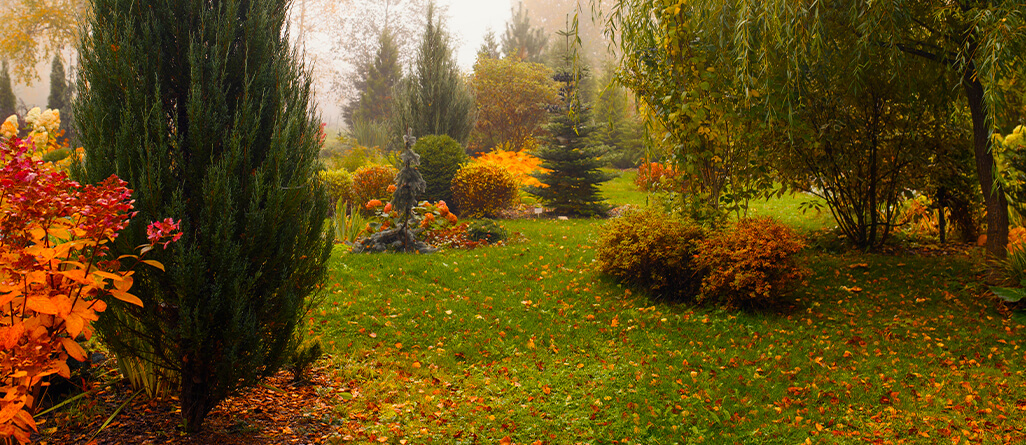
Here are the key benefits of fall fertilizing with higher potassium. Potassium is added to fall fertilizer to improve drought tolerance, disease resistance and cold hardiness. It aids in the lawn's recovery from summer stress and helps in the storage of carbohydrates, which encourages root growth in the fall.
By doing this, the grass is better equipped to withstand the winter and come out of it healthy in the spring.
What are the benefits of high potassium fertilizer?
Repairs summer damage: Any harm the grass may have suffered during the hot, dry summer months is lessened by the fall application.
Encourages strong root growth: Potassium encourages robust root growth, which is necessary to enhance its capacity to take up nutrients from the soil.
Increases cold hardiness: It helps sustain internal water pressure within plant cells, and this, in turn, strengthens the grass and makes it more resilient to freezing temperatures and winter stress.
Boosts disease resistance: Potassium builds up the plant’s immune system, increasing the grass plants’ resistance to fungus-related illnesses and other stresses.
Enhances drought tolerance: The grass can withstand dry spells and retain water thanks to the stronger cells that come from increased potassium levels.
Facilitates nutrient uptake: The grass uses other nutrients, such as iron and nitrogen, more effectively when it has enough potassium.
Prepares for next spring: You get an earlier springtime lawn recovery.
When to apply high potassium fertilizer?

Consider the length of the fall growing season: it goes from late August to mid-November. There are two separate times to fertilize: late summer/early fall and/or later in October, when the grass is no longer growing, but before freeze-up.
Applying fertilizer twice at both ends of the fall season can really yield better results by addressing different growth phases. If you only do one application in the fall, do the early one.
Late summer/early fall, say around Labour Day weekend: this application focuses on summer recovery, supporting top growth and root establishment while providing a strong base for the lawn.
Late fall: after the grass has stopped growing, the roots are still growing, right up until freeze-up. This application focuses on feeding the roots, ensuring that they have the strength to withstand cold weather, ensuring continued greening in the fall and an early green-up the following spring. This actually replaces fertilization the following spring.
What is a high potassium fertilizer used for?
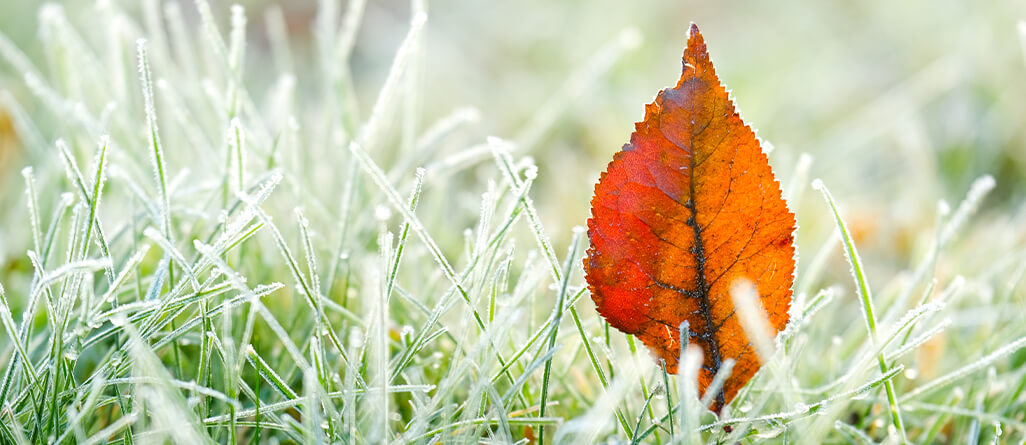
To maintain a healthy, vibrant lawn come spring, fall fertilizer is an essential part of lawn care. Building carbohydrate reserves, improving root development and assisting your grass in recovering from summer stress can all be achieved with the proper fertilizer selection and application.
Your lawn will be ready to survive the winter and come back strong and green in the spring.


